

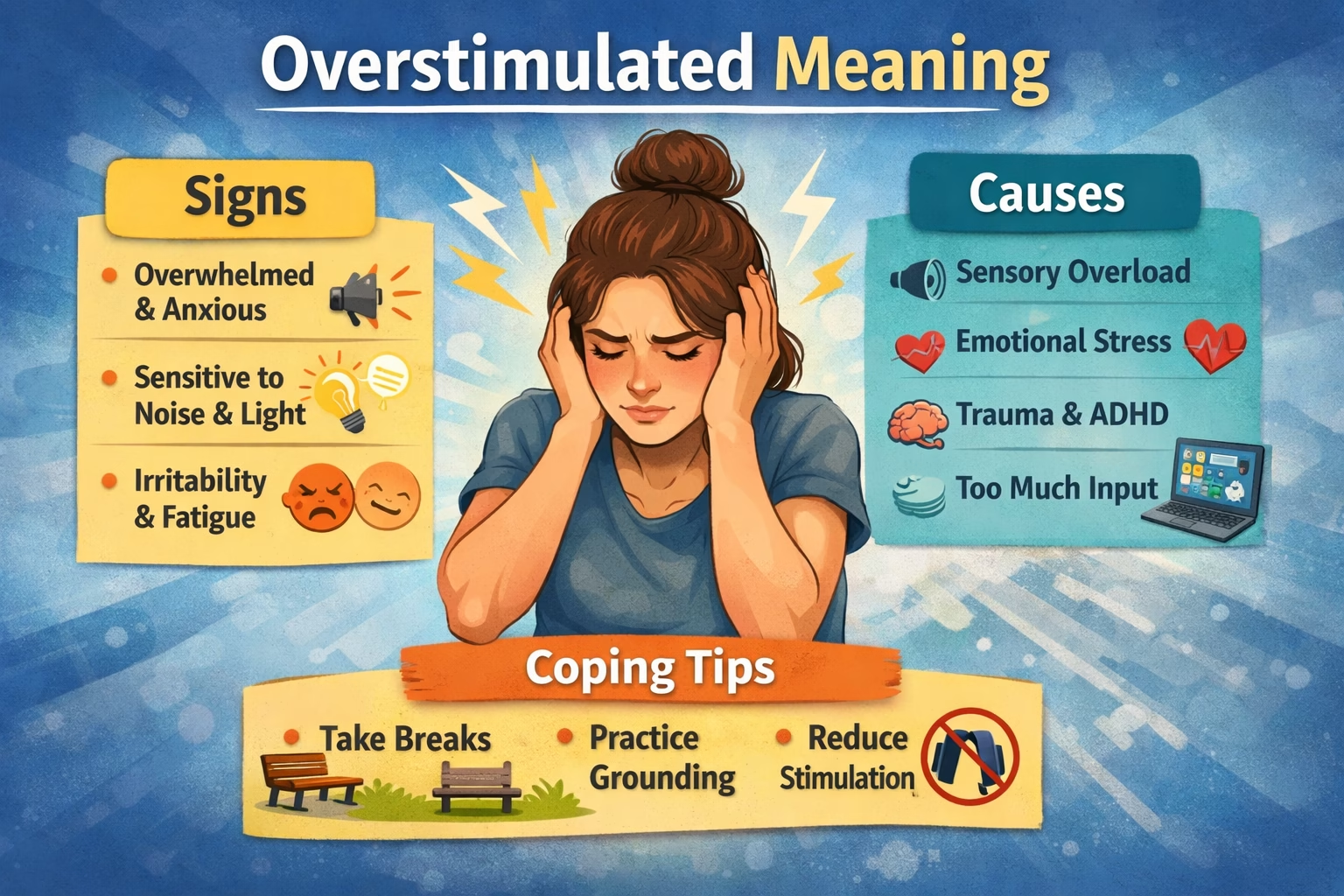
You are in the middle of a conversation and suddenly you cannot track what is being said. Or you leave a social event feeling completely depleted — not just tired, but overwhelmed in a way that sleep does not quite fix. Or you find yourself irritable, short, and unable to tolerate noise or interruption that normally would not bother you at all.
This is what being overstimulated actually looks like in adults. It is not always a meltdown. It is often much quieter — and much more common — than most people realize. Understanding what overstimulated means, why it happens, and what genuinely helps can make a significant difference in how you navigate it.
Signs of Overstimulation in Adults: What to Watch For
✓ Difficulty concentrating or tracking
✓ Feeling mentally foggy or scattered
✓ Sudden urge to withdraw or escape
✓ Anxiety, restlessness, or feeling “wired”
✓ Emotional outbursts disproportionate to situation
✓ Fatigue that doesn’t improve with rest
✓ Sensitivity to noise, light, or touch
✓ Rapid heartbeat or shallow breathing
✓ Difficulty falling or staying asleep
✓ “Wired but tired” — exhausted yet unable to relax
Feel free to share or embed this infographic with credit to darinkingcounselingllc.com
What Does Overstimulated Mean?
Being overstimulated means your brain is receiving more sensory, cognitive, or emotional input than it can effectively process at one time. The brain is designed to filter information constantly — blocking out background noise, managing competing demands, and prioritizing what needs attention. But that filtering system has limits. When those limits are reached, the nervous system shifts into a stress response.
According to the American Psychological Association, excessive stress and stimulation overwhelm the nervous system’s capacity to regulate, producing the emotional and physical symptoms most people associate with overstimulation. Neurologically, overstimulation triggers the sympathetic nervous system — the fight-or-flight branch — causing stress hormones like cortisol and adrenaline to flood the system. You are not just annoyed; your body is treating the input as a threat.
Overstimulation can be sensory (too much noise, light, or physical sensation), cognitive (too many decisions, tasks, or competing thoughts), or emotional (intense social demands, conflict, or emotional pressure). Often, it is a combination of all three arriving at once. Understanding how the parasympathetic and sympathetic nervous systems work together explains why calming strategies can help, and why rest sometimes feels impossible when you are already overloaded.
This post covers the broad meaning and causes of overstimulation. For more specific angles, see our related posts: overstimulated meaning — what it feels like, signs of overstimulation in adults, ADHD and overstimulation in adults, and how to calm overstimulation quickly.
Important context: Overstimulation is not a diagnosis — it is a nervous system state. It can affect anyone. Brief periods of overstimulation are a normal response to genuinely overwhelming environments. When it becomes chronic, or occurs in response to everyday activities that don’t bother most people, it is a signal worth paying attention to.
Overstimulated vs. Sensory Overload: What’s the Difference?
These terms are often used interchangeably, and they overlap significantly. Sensory overload typically refers specifically to the senses being overwhelmed — too much noise, light, smell, touch, or motion. Overstimulation is a broader term that includes sensory overload but also encompasses cognitive and emotional flooding. You can be overstimulated by a stressful conversation in a quiet room just as easily as by a crowded concert. Both involve the nervous system being pushed past its processing capacity.
Signs of Overstimulation in Adults
Overstimulation in adults often looks different than the visible distress it can cause in children. Adults frequently internalize the experience — appearing functional on the outside while the nervous system is in a state of significant strain. For a complete breakdown, see our dedicated post on signs of overstimulation in adults.
Emotional and Cognitive Signs
Irritability that feels disproportionate to what is happening — snapping at people, struggling to tolerate minor inconveniences — is one of the earliest indicators. This happens because an overwhelmed nervous system has fewer resources available for emotional regulation. You may also notice difficulty concentrating, an inability to track conversations, mental fog, or a strong and sudden need to be alone or escape the situation entirely. Anxiety and restlessness are common, as is a feeling of being “wired but tired” — simultaneously exhausted and unable to settle. These experiences can sometimes overlap with anxiety and panic responses.
Physical Signs
The sympathetic nervous system’s activation produces physical symptoms that are easy to misattribute: headaches, muscle tension (particularly in the jaw, neck, and shoulders), fatigue, rapid heartbeat, and heightened sensitivity to sensory input — lights that suddenly feel glaringly bright, background noise that becomes unbearable, textures that feel wrong against the skin. Sleep disturbances are also common, because a nervous system in an overstimulated state struggles to downshift into the rest needed for quality sleep. These physical patterns connect directly to how cortisol and chronic stress affect the body over time.
Behavioral Signs
Withdrawal from social situations, canceling plans, avoiding screens or noise, fidgeting or pacing, and becoming unusually sensitive to criticism are all behavioral responses to overstimulation. In some cases, the urge to escape or shut down can look like dissociation — you can read more about what dissociation feels like to understand where overstimulation ends and dissociation begins.
| Type of Overstimulation | Common Triggers | What It Can Feel Like |
|---|---|---|
| Sensory | Loud environments, bright lights, crowds, strong smells | Unbearable noise, physical discomfort, urgent need to escape |
| Cognitive | Multitasking, excessive decisions, information overload | Brain fog, inability to focus, mental shutdown |
| Emotional | Intense conversations, conflict, social pressure, grief | Emotional flooding, irritability, overwhelm, shutting down |
| Digital | Constant notifications, endless scrolling, screen time | Restlessness, inability to focus, drained but unable to stop |
| Social | Busy events, people-heavy environments, performance demands | Exhaustion, need for solitude, difficulty tracking conversation |
What Causes Overstimulation?
Anyone can become overstimulated given enough input without enough recovery time. But some people reach their threshold significantly faster than others — and that difference is meaningful, not a weakness.
Nervous System Baseline and Sensory Processing Sensitivity
Research suggests that approximately 15–30% of the population has a trait called Sensory Processing Sensitivity (SPS) — sometimes called being a Highly Sensitive Person (HSP). People with SPS have a nervous system that processes environmental input more deeply and thoroughly than average. This is not a disorder; it is a neurobiological variation. But it does mean that overstimulation thresholds are genuinely lower, and that environments most people find manageable can become quickly overwhelming. A 2026 study published in PubMed Central confirmed that individuals high on SPS are significantly more susceptible to overstimulation from everyday stimuli.
ADHD and Neurodivergence
People with ADHD often experience overstimulation due to difficulty filtering out irrelevant sensory information. Rather than background noise fading into the background, all inputs may arrive at roughly equal volume and urgency. Understanding ADHD and overstimulation in adults — and how ADHD affects the brain — can help make sense of why this happens and what supports it. Autistic individuals frequently experience sensory sensitivity as a core feature, with overstimulation being one of the most commonly reported challenges in daily life.
Trauma and a Dysregulated Nervous System
Trauma changes how the nervous system processes threat. A nervous system shaped by trauma is often in a state of chronic low-grade activation — already braced, already scanning, already closer to the edge. This means that ordinary levels of stimulation can tip the system into overwhelm much more quickly. Understanding how trauma affects the nervous system is key to understanding why trauma survivors so often struggle with overstimulation in environments others navigate without difficulty. Overstimulation is also closely related to other trauma responses — including trauma and panic attacks and the patterns seen in complex PTSD vs. PTSD. Our guide on nervous system reset techniques can be genuinely transformative for this group.
Anxiety
Anxiety keeps the nervous system in a state of heightened alertness — constantly scanning for threat, amplifying neutral or ambiguous stimuli as potentially dangerous. This baseline of hypervigilance makes overstimulation much more likely, because the system is already running hot before the external input arrives. Therapy for anxiety directly addresses this pattern by helping the nervous system learn to distinguish real threats from false alarms.
Sleep Deprivation and Burnout
A tired nervous system has reduced capacity for filtering and regulation. Even people who are not typically sensitive to overstimulation will find their thresholds significantly lower when they are sleep-deprived, burned out, or running on chronic stress. Our post on balancing physical, mental, and emotional health addresses the lifestyle factors that affect nervous system resilience.
Abandonment-Related Emotional Sensitivity
People with abandonment wounds often experience heightened emotional sensitivity — interpersonal situations that carry even a hint of rejection or criticism can feel acutely overwhelming. This emotional overstimulation is real and nervous-system-based, not “being too sensitive.” You can explore this further through our posts on abandonment trauma in relationships and signs of abandonment trauma in adults.
Note: Chronic overstimulation is not something to push through or white-knuckle your way past. When the nervous system is regularly operating beyond its capacity, it has measurable effects on cognitive functioning, emotional regulation, immune health, and sleep. Taking it seriously is not self-indulgence. It is maintenance.
How to Cope With Overstimulation
Effective coping with overstimulation works on two levels: immediate relief when you are already overwhelmed, and longer-term strategies that raise your threshold and improve recovery time. For a full practical guide, see our dedicated post on how to calm overstimulation quickly.
In the moment: reduce input
The most direct intervention is removing or reducing the source of stimulation. Step outside, find a quiet space, dim the lights, put in noise-canceling headphones, turn off notifications. This is not avoidance — it is giving your nervous system the breathing room it needs to come back online. Even five minutes of reduced input can meaningfully shift the state.
Activate the parasympathetic nervous system
The fastest way to shift out of a stress response is through the body. Slow, diaphragmatic breathing — particularly with a longer exhale than inhale — directly activates the vagus nerve and the parasympathetic nervous system. Cold water on the face, gentle movement, and grounding techniques also work by signaling safety to the brain. Our full guide on nervous system reset covers these techniques in depth.
Use the 5-4-3-2-1 grounding technique
Name five things you can see, four things you can physically feel, three things you can hear, two things you can smell, and one thing you can taste. This technique redirects the brain’s attention from the overwhelmed internal state to concrete present-moment sensory experience — effectively interrupting the stress loop.
Build recovery time into your schedule
People prone to overstimulation often do better with deliberate transition time built between demands — a few minutes of quiet between meetings, time alone after social events, no-screen time before bed. Our post on self-care for mental health covers how to build these kinds of proactive practices sustainably.
Address the underlying nervous system dysregulation through therapy
For people whose overstimulation is rooted in trauma, anxiety, or chronic stress, surface-level coping helps but does not address the root. Trauma-focused therapy — particularly EMDR therapy — can help the nervous system build genuine capacity for regulation. If you are unsure where to start, our posts on what therapy helps with, how to know when it’s time to start therapy, and feeling nervous about starting therapy may help.
Related reading: Signs of overstimulation in adults · ADHD and overstimulation · How to calm overstimulation quickly · Nervous system reset · How trauma affects the nervous system · Cortisol and trauma
Frequently Asked Questions
What does overstimulated mean?
Being overstimulated means your brain is receiving more sensory, cognitive, or emotional input than it can effectively process at one time. The nervous system shifts into a stress response — producing irritability, anxiety, mental fog, physical tension, and a strong urge to withdraw. It is a nervous system state, not a character flaw. See our companion post on overstimulated meaning — what it feels like for a deeper personal account.
What are the signs of overstimulation in adults?
Common signs include irritability disproportionate to the situation, difficulty concentrating, mental fog, heightened sensitivity to noise or light, fatigue, headaches, muscle tension, rapid heartbeat, and a strong need to be alone. For the full breakdown, see our post on signs of overstimulation in adults.
Why do I get overstimulated so easily?
Ease of overstimulation can relate to Sensory Processing Sensitivity (affecting 15–30% of the population), ADHD or autism, trauma and chronic nervous system dysregulation, anxiety, sleep deprivation, and burnout. Our post on ADHD and overstimulation in adults explores one of the most common contributing factors in depth.
Is overstimulation the same as sensory overload?
These terms overlap significantly but are not identical. Sensory overload refers specifically to the senses being overwhelmed. Overstimulation is broader — it includes sensory overload but also cognitive flooding and emotional overwhelm. Both involve the nervous system exceeding its processing capacity.
Can trauma cause overstimulation?
Yes. Trauma leaves the nervous system in chronic low-grade activation, meaning ordinary stimulation can trigger overwhelm much faster. Understanding how trauma affects the nervous system is key. EMDR therapy can help address the underlying dysregulation.
How do you calm down when overstimulated?
Reduce input first — step away from the source. Then activate the parasympathetic nervous system through slow breathing, cold water, gentle movement, or the 5-4-3-2-1 grounding technique. For a full practical guide, see how to calm overstimulation quickly and our broader nervous system reset guide.
Feeling constantly overwhelmed isn’t something to push through — it’s something to understand.
Darin King, LPC works with adults navigating anxiety, trauma, and nervous system dysregulation across Pennsylvania. Telehealth available statewide.
See more from Darin King Counseling on Google