ADHD & Neurodiversity
ADHD and Relationships: How It Shows Up
ADHD and relationships are deeply intertwined, because ADHD is not only about focus and forgetfulness, it shapes how a person experiences time, emotion, follow through,…
Does ADHD Get Worse With Age? What Changes
ADHD does not fundamentally get worse with age, but a great many adults genuinely feel like it does, and there are real reasons why. The…
High-Functioning ADHD: Signs You Might Miss
High-functioning ADHD is the term people reach for when someone looks like they have it all together, holding down a job, meeting deadlines, showing up…
ADHD Masking in Adults: Signs and Costs
ADHD masking is the conscious or unconscious hiding of ADHD traits in order to appear neurotypical, the constant effort of covering up how your brain…
Does Caffeine Help ADHD?
Does caffeine help ADHD? For a lot of people the honest answer is that it seems to, at least some of the time, which is…
ADHD and Trauma: How They Overlap, Differ & Interact
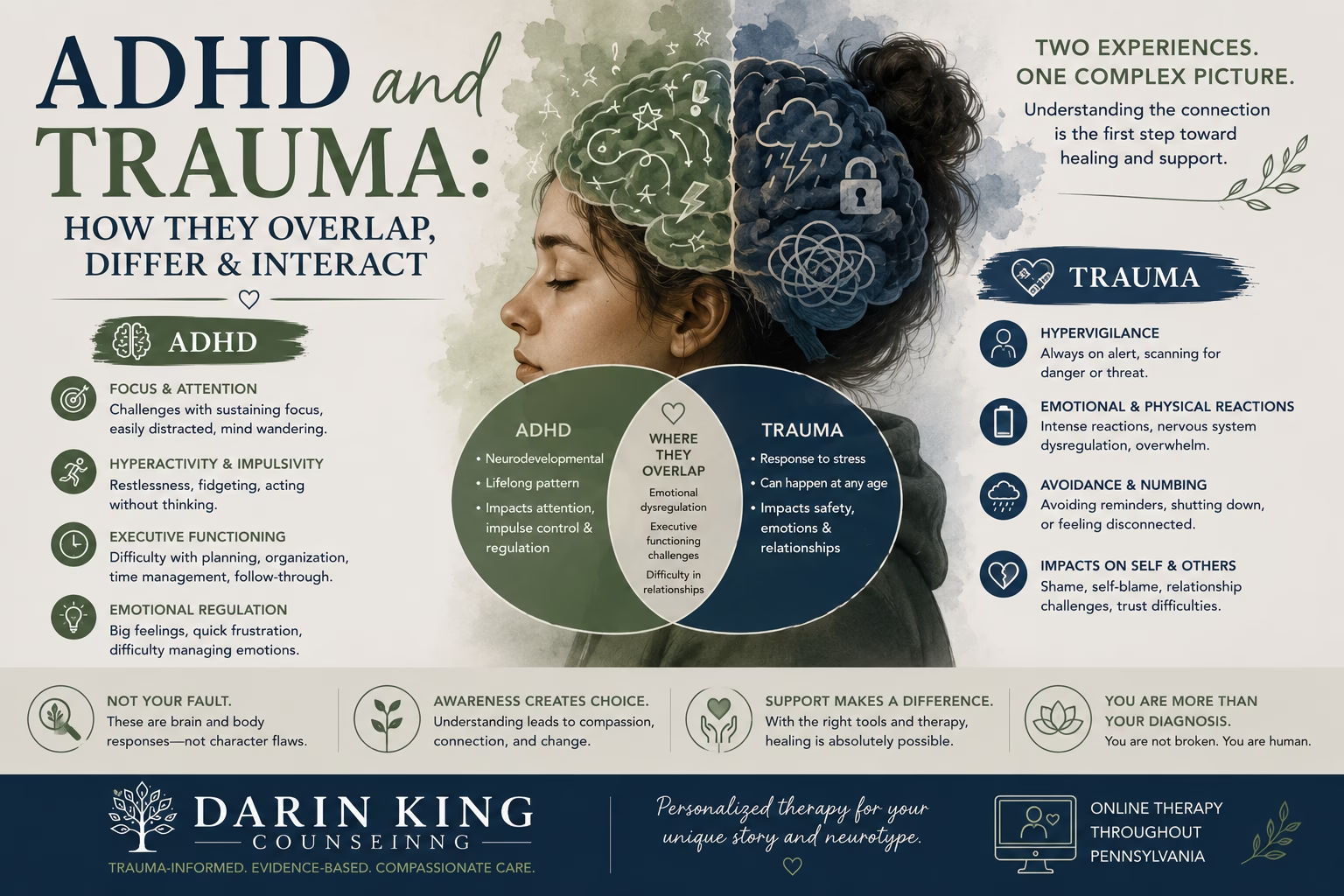
ADHD and trauma have a relationship that most people — including many clinicians — underestimate. They look similar. They feel similar from the inside. They…
AuDHD: When Autism and ADHD Co-Occur in One Person
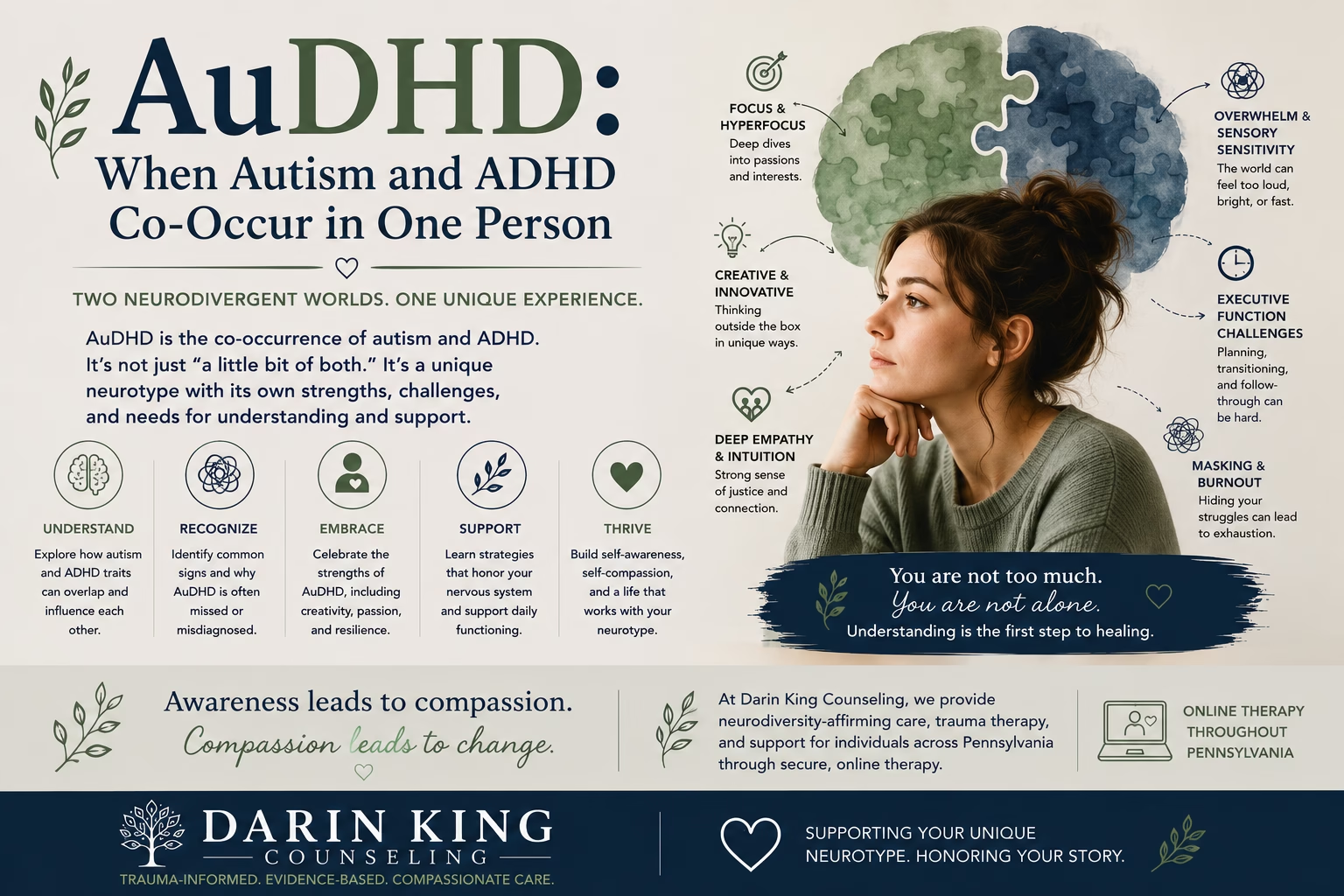
AuDHD is the informal term for the co-occurrence of autism (ASD) and attention-deficit/hyperactivity disorder (ADHD) in the same person. For decades, the two conditions were…
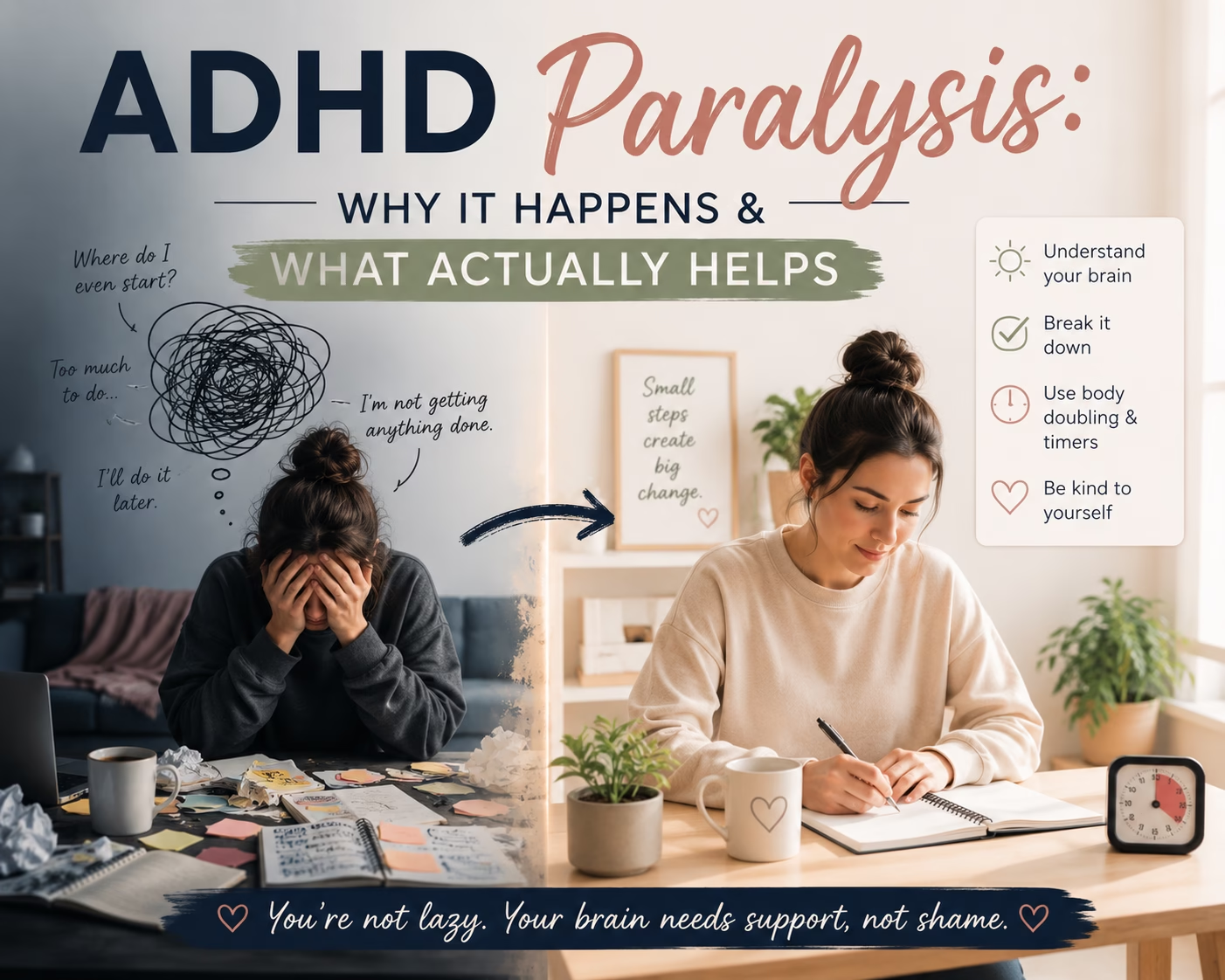
ADHD Paralysis: Why It Happens & What Actually Helps
ADHD paralysis is the state in which a person with ADHD becomes unable to start, continue, or finish a task — not because they don’t…
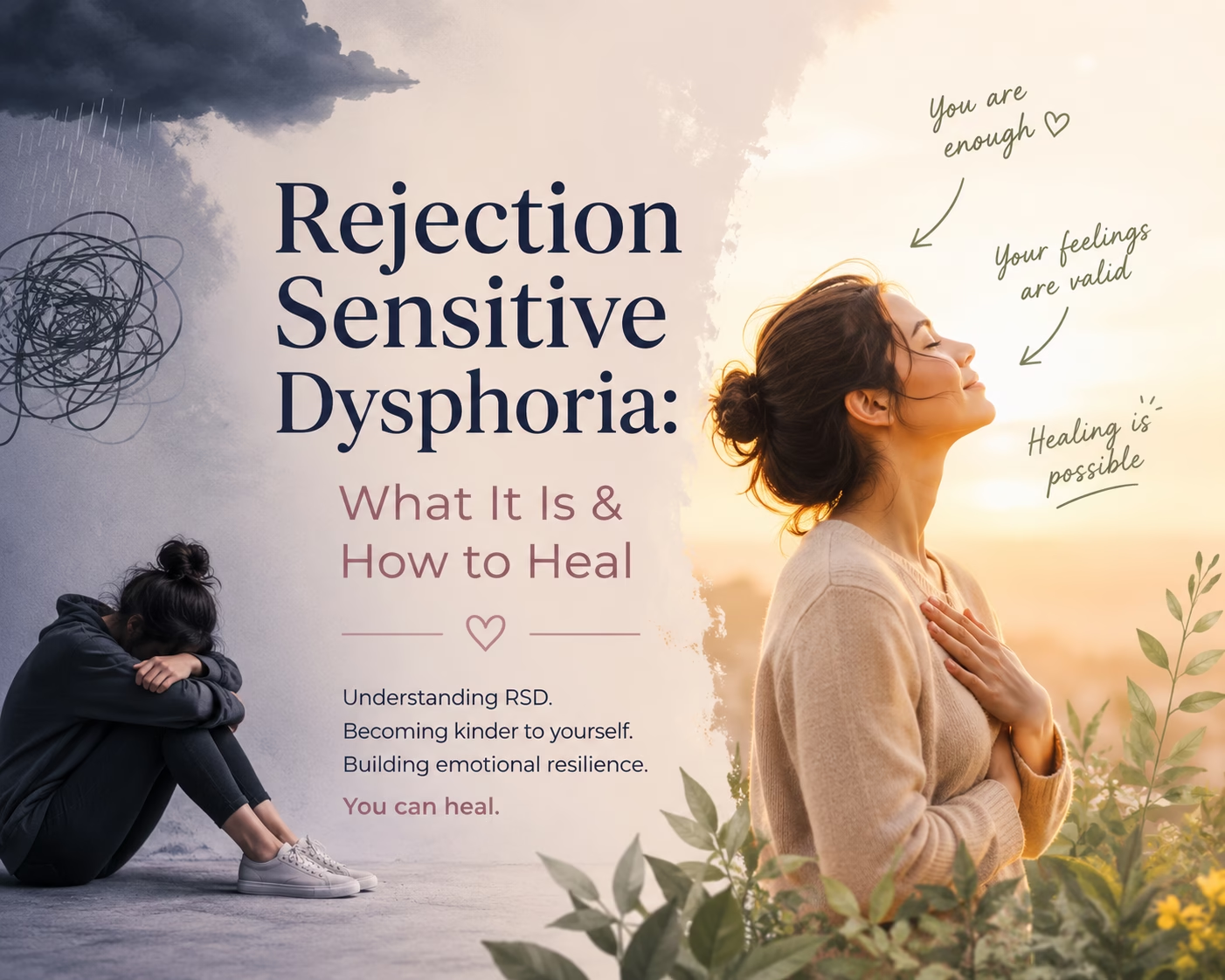
Rejection Sensitive Dysphoria: What It Is & How to Heal
Rejection sensitive dysphoria — usually shortened to RSD — describes an intense, painful emotional reaction to real or perceived rejection, criticism, or failure. The pain…
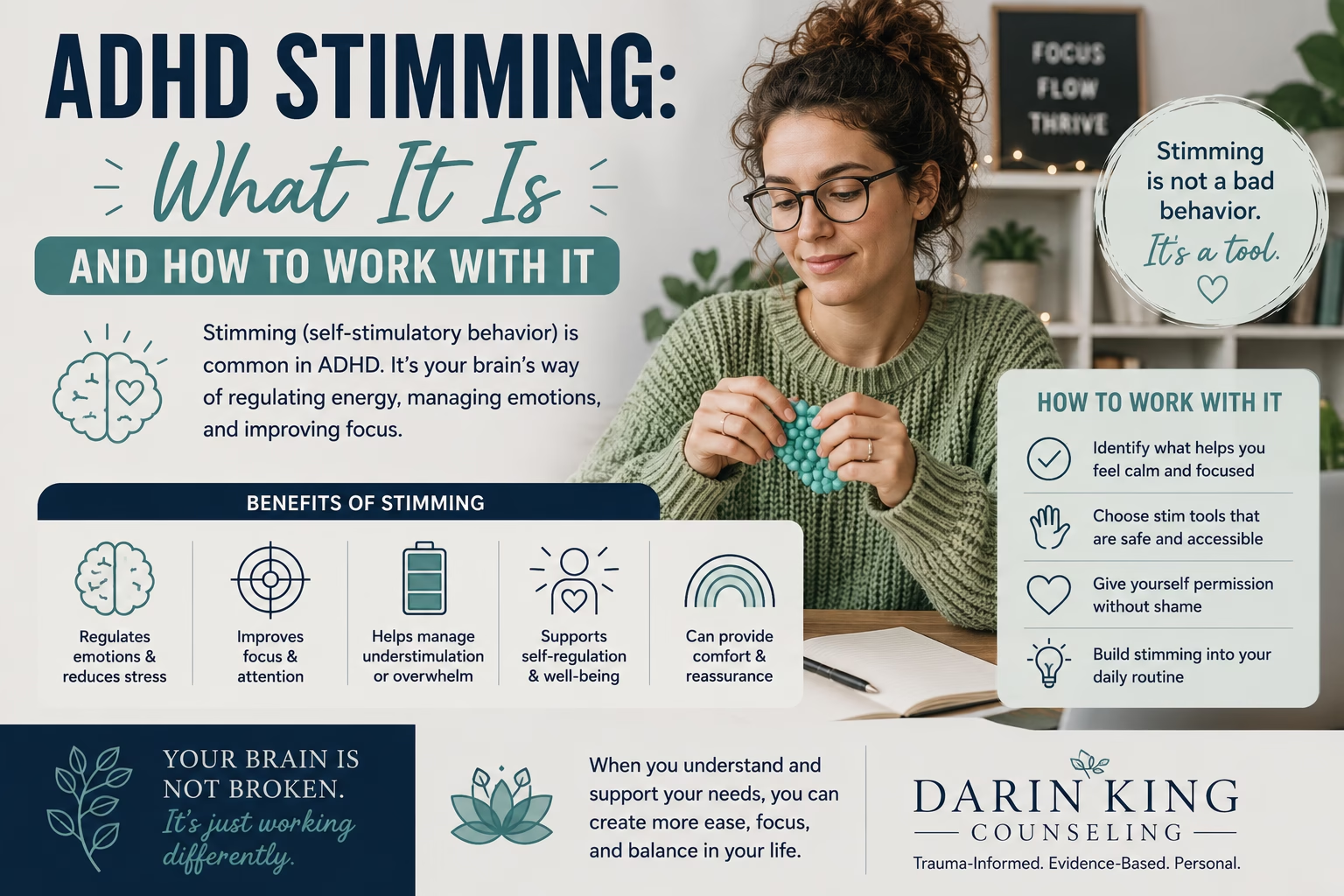
ADHD Stimming: What It Is and How to Work With It
ADHD stimming is the self-stimulating behavior that adults and children with ADHD use to regulate attention, energy, and emotion. The leg bouncing during meetings. The…