

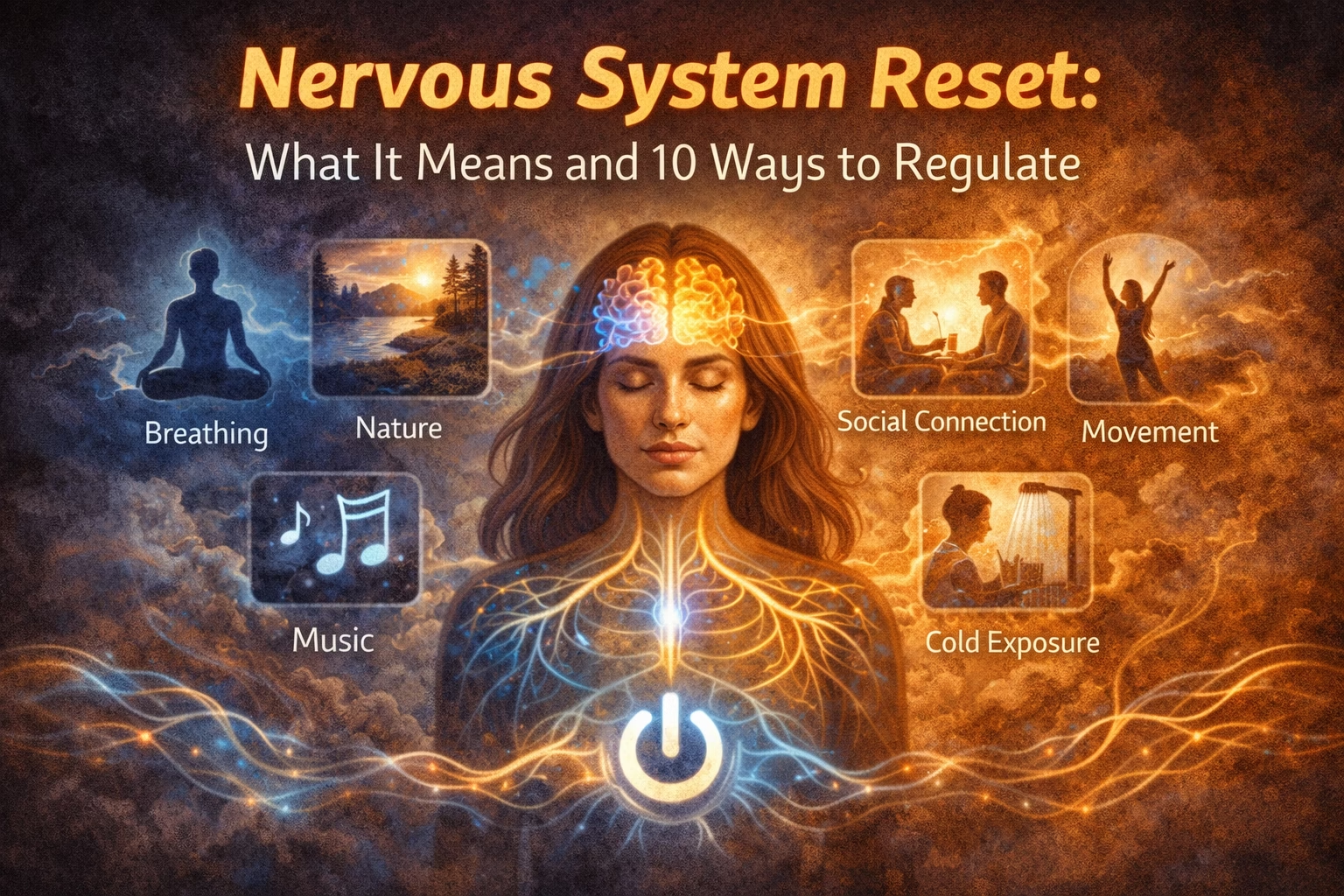
If you’ve ever felt like your body is stuck in overdrive — anxious even when nothing is wrong, exhausted but unable to rest, emotionally flooded by small things — your nervous system may be dysregulated. And if you’ve experienced trauma, chronic stress, or grew up in an unpredictable environment, this is not just possible — it’s likely.
The good news is that the nervous system is not fixed. It can be retrained. A nervous system reset is not a single technique — it’s a collection of evidence-based practices that help your body shift out of threat-response mode and back into a state of regulation, safety, and rest.
Nervous System Reset: Hyperarousal vs Hypoarousal Techniques
✓ Cold water on face or wrists
✓ Slow, rhythmic movement
✓ Progressive muscle relaxation
✓ Grounding — feel feet on floor, name 5 things you see
✓ Upbeat music or rhythmic sound
✓ Cold water on face to activate alertness
✓ Social engagement — a safe conversation
✓ Breathe slightly faster to increase activation
Feel free to share or embed this infographic with credit to darinkingcounselingllc.com
What Is a Nervous System Reset?
A nervous system reset refers to any practice that helps shift the autonomic nervous system out of a dysregulated state — hyperarousal (fight or flight) or hypoarousal (freeze or shutdown) — and back toward the regulated middle ground known as the window of tolerance.
The autonomic nervous system operates largely below conscious awareness, but it responds to inputs we can consciously control — including breath, movement, temperature, sound, and social connection. This is the basis of nervous system reset techniques: using accessible, body-based inputs to shift the system’s state.
The National Institute of Mental Health recognizes that nervous system dysregulation is a core feature of PTSD and trauma-related conditions — and that body-based approaches are an important component of comprehensive trauma treatment.
Key concept: You cannot think your way out of a nervous system threat response. The prefrontal cortex — the thinking brain — goes partially offline during activation. Nervous system reset techniques work by speaking directly to the body and brain stem, bypassing the thinking mind to signal safety from the bottom up.
Understanding Your Nervous System States
| State | What It Feels Like | What’s Happening | Reset Goal |
|---|---|---|---|
| Regulated (window of tolerance) | Calm, present, able to think and feel | Balanced sympathetic/parasympathetic activity | Maintain and expand this zone |
| Hyperarousal | Anxious, panicky, reactive, overwhelmed, hypervigilant | Sympathetic nervous system dominant — fight or flight active | Downregulate — slow, calm, ground |
| Hypoarousal | Numb, dissociated, flat, exhausted, frozen | Dorsal vagal shutdown — freeze or collapse | Upregulate — gentle activation, movement, connection |
Understanding which state you’re in is the first step — because the techniques that help with hyperarousal are different from those that help with hypoarousal. Read more about how trauma affects the nervous system.
Nervous System Reset Techniques for Hyperarousal
When you’re in fight or flight — anxious, reactive, flooded — the goal is to activate the parasympathetic nervous system and signal safety to the brain stem.
Extended Exhale Breathing
The exhale activates the parasympathetic nervous system. Breathing out longer than you breathe in — 4 counts in, 6 to 8 counts out — is one of the fastest ways to begin shifting out of hyperarousal. Even a few minutes of this pattern produces measurable changes in heart rate variability and nervous system state.
Cold Water Immersion
Splashing cold water on your face or wrists activates the dive reflex — a hardwired physiological response that slows the heart rate and calms the nervous system. This is one of the fastest and most accessible nervous system reset tools available.
Grounding Techniques
Grounding brings awareness back to the present moment and the physical body — countering the nervous system’s tendency to be pulled into past threat or future catastrophe. Effective grounding includes:
- Pressing your feet firmly into the floor and noticing the sensation
- Naming 5 things you can see, 4 you can touch, 3 you can hear, 2 you can smell, 1 you can taste
- Holding something cold, heavy, or textured
- Running cold water over your hands and focusing on the sensation
Progressive Muscle Relaxation
Deliberately tensing and releasing muscle groups from feet to head helps discharge the physical tension that builds during threat responses. This technique directly addresses the body component of hyperarousal.
Orienting
Slowly turning your head from side to side and visually scanning the room — the way an animal does after a threat has passed — sends a powerful “all clear” signal to the nervous system. This is a simple but surprisingly effective reset technique.
Nervous System Reset Techniques for Hypoarousal
When you’re shut down — numb, dissociated, flat, or frozen — the goal is gentle upregulation: increasing activation enough to come back into the window of tolerance without triggering another threat response.
Gentle Movement
Walking, gentle stretching, or slow rhythmic movement helps discharge the freeze response and bring the nervous system back online. The movement should be gentle — not high-intensity exercise, which can sometimes reinforce activation rather than resolve it.
Rhythmic Sound and Music
Rhythm is one of the most powerful regulators of the nervous system. Upbeat, rhythmic music can help shift out of hypoarousal. Humming, singing, or even drumming engage the vagal system and support upregulation.
Social Engagement
Safe social connection is one of the most powerful nervous system regulators available. A brief, low-demand conversation with a trusted person — even just a few minutes — can significantly shift a hypoaroused state.
Breathe Slightly Faster
Unlike the extended exhale used for hyperarousal, a slightly faster breathing pace — not to the point of hyperventilation — can help increase alertness and activation when you’re in a shutdown state.
Note: The Substance Abuse and Mental Health Services Administration emphasizes that nervous system regulation skills are a foundational component of trauma-informed care — not a replacement for trauma therapy, but an essential complement to it. These techniques are most powerful when combined with professional trauma treatment.
Daily Practices That Build a More Regulated Nervous System Over Time
In-the-moment reset techniques address acute dysregulation. These daily practices build nervous system resilience over time — gradually widening the window of tolerance so that dysregulation happens less easily and recovery happens more quickly.
Consistent Sleep
The nervous system does its most important regulatory and consolidation work during sleep. Chronic sleep deprivation directly narrows the window of tolerance. Consistent sleep timing — even on weekends — is one of the highest-leverage nervous system regulation practices.
Regular Aerobic Exercise
Regular moderate exercise is one of the most evidence-based nervous system regulation tools available. It reduces baseline cortisol, increases neuroplasticity, and builds the body’s capacity to move through stress responses and return to baseline. Read more about cortisol and trauma.
Reducing Stimulant and Alcohol Use
Caffeine amplifies sympathetic nervous system activity — helpful in moderation, counterproductive when the nervous system is already dysregulated. Alcohol, while temporarily calming, disrupts sleep architecture and increases anxiety in the days following use.
Mindfulness and Meditation
Regular mindfulness practice — even 10 minutes daily — builds the prefrontal cortex’s capacity to regulate the amygdala over time. This is one of the most well-researched long-term nervous system regulation practices available.
Trauma Therapy
No collection of self-regulation tools fully replaces trauma therapy when the nervous system has been dysregulated by trauma. EMDR therapy, IFS therapy, and trauma-focused therapy address the root cause — not just the symptoms. Telehealth therapy makes this support accessible from anywhere in Pennsylvania.
Related reading: Our guides on how trauma affects the nervous system, trauma and panic attacks, and EMDR side effects provide important context for understanding nervous system dysregulation and the tools that help.
Frequently Asked Questions
How long does it take to reset the nervous system?
In-the-moment techniques like extended exhale breathing or cold water can shift nervous system state within minutes. Building lasting nervous system resilience typically takes months of consistent practice and, for trauma survivors, concurrent trauma-focused therapy. Meaningful change is consistently achievable.
What are the signs your nervous system needs resetting?
Signs include chronic anxiety or hypervigilance, difficulty relaxing even in safe situations, emotional reactions that feel disproportionate, emotional numbness or shutdown, difficulty sleeping, chronic physical tension, and feeling perpetually exhausted despite adequate rest. These signal chronic dysregulation — often rooted in unresolved trauma.
Can the nervous system heal from trauma?
Yes — the nervous system retains neuroplasticity throughout life and can heal from trauma. Effective trauma therapy combined with consistent nervous system regulation practices produces measurable changes in how the brain and body respond to stress. Many trauma survivors achieve significantly improved regulation and a genuine sense of safety in their bodies.
What is the fastest way to calm the nervous system?
For hyperarousal, the fastest evidence-based techniques are extended exhale breathing and cold water on the face, which activates the dive reflex and rapidly slows heart rate. For hypoarousal or shutdown, gentle movement and brief safe social contact are among the fastest upregulation tools.
Do nervous system reset techniques replace therapy for trauma?
No — these techniques are powerful tools for managing dysregulation in daily life, but they don’t address the root cause. EMDR therapy, IFS therapy, and other trauma-focused approaches work at the level of the traumatic memories themselves — producing lasting change that self-regulation tools alone cannot achieve.
Your nervous system learned to survive. With the right support, it can learn to thrive.
Darin King, LPC specializes in trauma, nervous system regulation, and EMDR therapy in Pennsylvania. Telehealth available statewide.
See more from Darin King Counseling on Google