

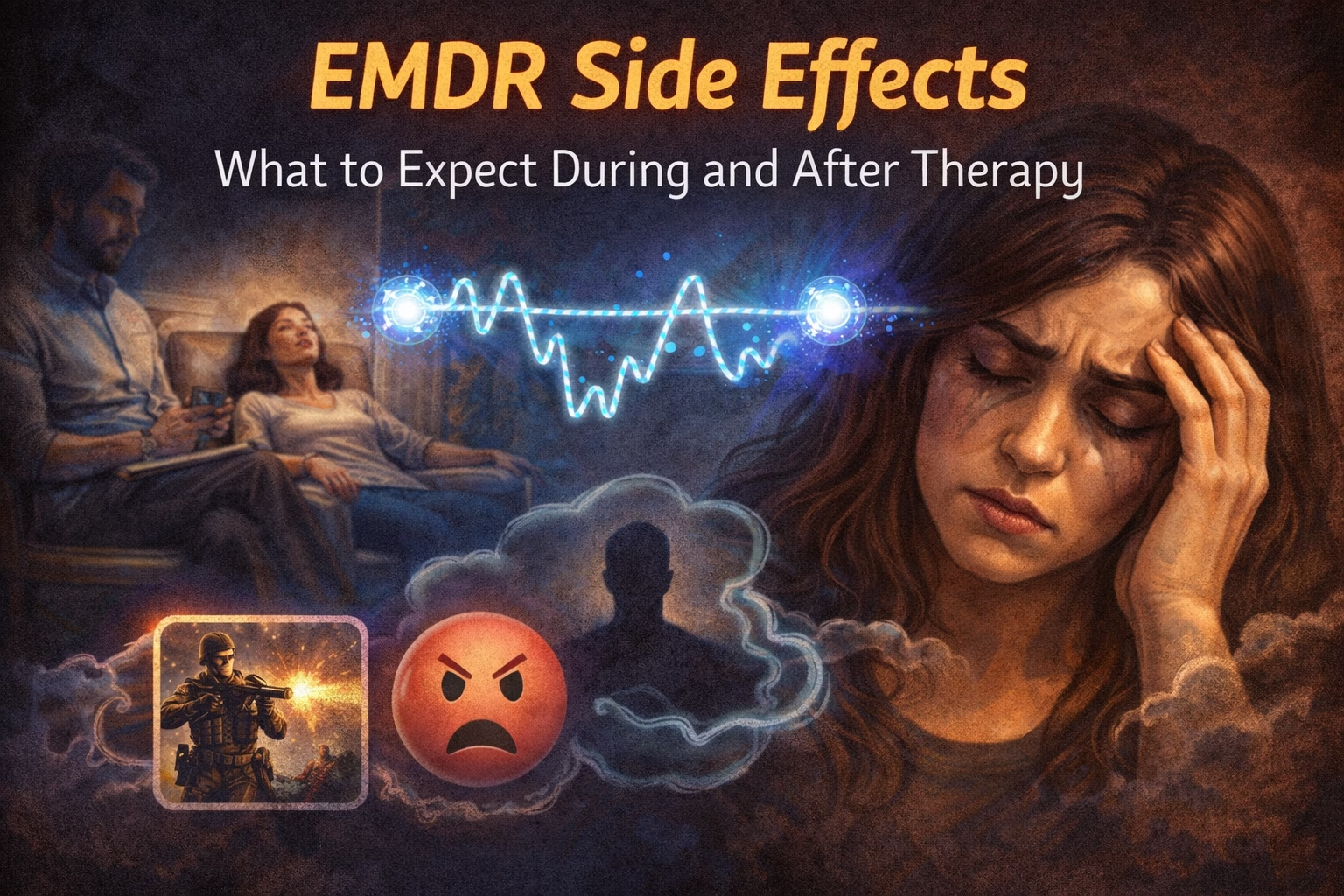
If you’re considering EMDR therapy — or you’ve already started and are wondering if what you’re experiencing is normal — this guide is for you. EMDR (Eye Movement Desensitization and Reprocessing) is one of the most well-researched and effective treatments for trauma available. But like any effective treatment, it can produce side effects, particularly in the days following a session.
Understanding what EMDR side effects to expect, why they happen, and how to manage them can make all the difference in how you navigate the healing process.
EMDR Side Effects: What’s Normal vs When to Contact Your Therapist
✓ Vivid or unusual dreams
✓ Temporary increase in emotions or memories
✓ Feeling “raw” or emotionally tender
✓ Mild headache or physical heaviness
✓ Usually resolves within 24–72 hours
✓ Significant dissociation that doesn’t resolve
✓ Flashbacks that feel unmanageable
✓ Thoughts of self-harm
✓ Feeling completely unable to function
Feel free to share or embed this infographic with credit to darinkingcounselingllc.com
What Is EMDR Therapy?
EMDR — Eye Movement Desensitization and Reprocessing — is a structured, evidence-based therapy developed specifically for trauma. It uses bilateral stimulation (most commonly side-to-side eye movements, but also tapping or auditory tones) while the client briefly focuses on a traumatic memory. This process helps the brain reprocess the memory so it loses its emotional charge and is stored as a past event rather than an ongoing threat.
The World Health Organization recommends EMDR therapy as a first-line treatment for PTSD in adults and children. The American Psychiatric Association also recognizes EMDR as an effective treatment for trauma. It is one of the most extensively researched psychotherapies in existence.
Important context: EMDR side effects are generally temporary and are often a sign that the therapy is working — that the brain is actively processing and reorganizing traumatic material. They are not a sign that something has gone wrong. Understanding this can make them significantly easier to tolerate.
Common EMDR Side Effects
1. Emotional Fatigue and Exhaustion
Processing traumatic material is neurologically intensive work. Many people feel deeply tired — sometimes exhausted — after an EMDR session. This is one of the most common and expected side effects, and it typically resolves with rest within 24 hours. Plan for a lighter schedule on the day of your EMDR sessions if possible.
2. Vivid or Unusual Dreams
The brain continues processing after a session — and much of that processing happens during sleep. Vivid dreams, unusual dreams, or dreams connected to the material worked on in session are very common in the days following EMDR. This is generally a positive sign that integration is occurring.
3. Temporary Increase in Emotions or Memories
In the days following a session, some people notice that emotions feel closer to the surface, or that related memories, thoughts, or images surface more readily. This is part of the processing — material that was previously buried or compartmentalized is becoming more accessible as part of the reprocessing work.
4. Feeling “Raw” or Emotionally Tender
Many people describe feeling emotionally raw or sensitive in the days after EMDR — like a layer of protection has been removed. Small things may feel more affecting than usual. This tenderness is a normal part of the healing process and typically settles within a few days.
5. Mild Physical Symptoms
Headaches, physical heaviness, muscle tension, or a general sense of physical discomfort are sometimes reported after EMDR sessions. Trauma is stored in the body as well as the mind, and somatic processing is a real part of what EMDR facilitates. Read more about how trauma affects the nervous system.
6. Temporary Increase in Anxiety
Some people experience a temporary uptick in anxiety between sessions as the nervous system adjusts to the processing. This usually passes within a day or two. If anxiety feels unmanageable, contact your therapist — they can adjust the pacing or provide additional stabilization support.
7. Dissociation or Feeling “Spaced Out”
Mild dissociation — feeling somewhat detached, spacey, or not quite present — can occur during or after EMDR sessions, particularly when working on significant trauma. Grounding techniques are a standard part of EMDR protocol for this reason. Learn more about what dissociation feels like and nervous system reset techniques that can help.
8. New Memories or Insights Surfacing
EMDR can unlock memories or connections that weren’t consciously accessible before. This can feel surprising or even unsettling at first. Bringing these to your next session is an important part of the ongoing processing work.
| Side Effect | How Common | Typical Duration | What Helps |
|---|---|---|---|
| Emotional fatigue | Very common | 24–48 hours | Rest, gentle activity, self-care |
| Vivid dreams | Very common | 2–5 days | Journaling, normalizing the experience |
| Emotional rawness | Common | 2–4 days | Gentle self-care, reduced stimulation |
| Surfacing memories | Common | Variable | Journaling, bringing to next session |
| Mild headache | Occasional | 24 hours | Rest, hydration |
| Temporary anxiety increase | Occasional | 1–3 days | Grounding techniques, contact therapist |
| Mild dissociation | Occasional | Hours to 1 day | Grounding, contact therapist if persists |
Why Do EMDR Side Effects Happen?
EMDR side effects happen because the therapy is doing exactly what it’s designed to do — activating the brain’s natural information processing system to work through traumatic material. The National Institute of Mental Health supports EMDR as an evidence-based treatment precisely because it produces genuine neurological change — and that change, like any significant change, has a period of adjustment.
Think of it like physical therapy after an injury. The exercises that help you heal also produce soreness — not because something is wrong, but because the healing process itself requires effort and produces temporary discomfort. EMDR side effects are the psychological equivalent of that post-session soreness.
Note: The intensity of EMDR side effects varies significantly depending on the depth of trauma being processed, where you are in the treatment phases, your nervous system’s baseline regulation, and your overall support system. People with more complex trauma histories or less nervous system stability may experience more pronounced side effects — which is why EMDR protocol includes significant stabilization work before processing begins.
How to Manage EMDR Side Effects
Plan for Recovery Time
Schedule EMDR sessions on days when you have some flexibility afterward — not immediately before high-stakes meetings, important events, or demanding social commitments. Give yourself permission to rest.
Use Grounding Techniques
Grounding brings you back to the present when you feel emotionally flooded or dissociated. Effective techniques include slow breathing with a longer exhale, cold water on the face, feeling your feet on the floor, and naming what you can see and hear around you. See our full guide on nervous system reset techniques.
Journal Between Sessions
Many EMDR therapists recommend keeping a brief journal between sessions — noting any dreams, memories, emotions, or insights that surface. This helps you track what’s coming up and brings valuable material to the next session.
Stay in Contact with Your Therapist
If side effects feel intense or are lasting longer than a few days, reach out to your therapist. Good EMDR therapists expect to hear from clients between sessions and will adjust the pacing or provide additional support as needed.
Practice Basic Self-Care
Sleep, hydration, gentle movement, and reduced alcohol intake all support nervous system recovery after EMDR sessions. This is not the time to push through exhaustion or skip rest.
Is EMDR Safe?
Yes — EMDR is a safe, extensively researched therapy. The side effects described in this guide are temporary and manageable, and serious adverse effects are rare when EMDR is delivered by a trained therapist following the standard protocol — which includes thorough preparation and stabilization before any trauma processing begins.
EMDR is available via telehealth, which research has shown to be equally effective to in-person delivery. Learn more about EMDR therapy in Pennsylvania and telehealth therapy options.
Related reading: Our guides on EMDR therapy in Pennsylvania, nervous system reset techniques, and how trauma affects the nervous system provide important context for understanding what happens during and after EMDR.
Frequently Asked Questions
How long do EMDR side effects last?
Most EMDR side effects resolve within 24 to 72 hours after a session. Some people experience processing effects for up to a week after sessions addressing significant trauma. If side effects are intense or lasting beyond a few days, contact your therapist so they can adjust the pacing or provide additional support.
Is it normal to feel worse after EMDR?
Feeling temporarily worse after an EMDR session is common and does not mean the therapy isn’t working — in fact, it often means it is. When deeply stored traumatic material is accessed and begins processing, there can be a temporary increase in emotional intensity before relief arrives. Most people find that overall symptoms improve progressively over the course of treatment.
Can EMDR make trauma worse?
When delivered by a trained therapist following standard protocol — which includes thorough stabilization before processing begins — EMDR does not make trauma worse. The protocol is specifically designed to ensure clients have sufficient nervous system stability before any processing begins. Learn more about EMDR therapy in Pennsylvania.
What should I do after an EMDR session?
Plan for recovery time — avoid high-stakes demands if possible, rest if tired, stay hydrated, and use grounding techniques if you feel emotionally flooded. Gentle movement like a walk helps the nervous system discharge. See our guide on nervous system reset techniques for practical tools.
Does EMDR work via telehealth?
Yes — research supports the effectiveness of EMDR via telehealth. Bilateral stimulation can be adapted for online delivery using eye movements, audio tones through headphones, or self-administered tapping. Many clients find that being in their own safe environment during telehealth sessions actually supports the work.
Temporary discomfort in healing is different from ongoing suffering. EMDR can help you get to the other side.
Darin King, LPC specializes in EMDR therapy for trauma in Pennsylvania. Telehealth available statewide.
See more from Darin King Counseling on Google