

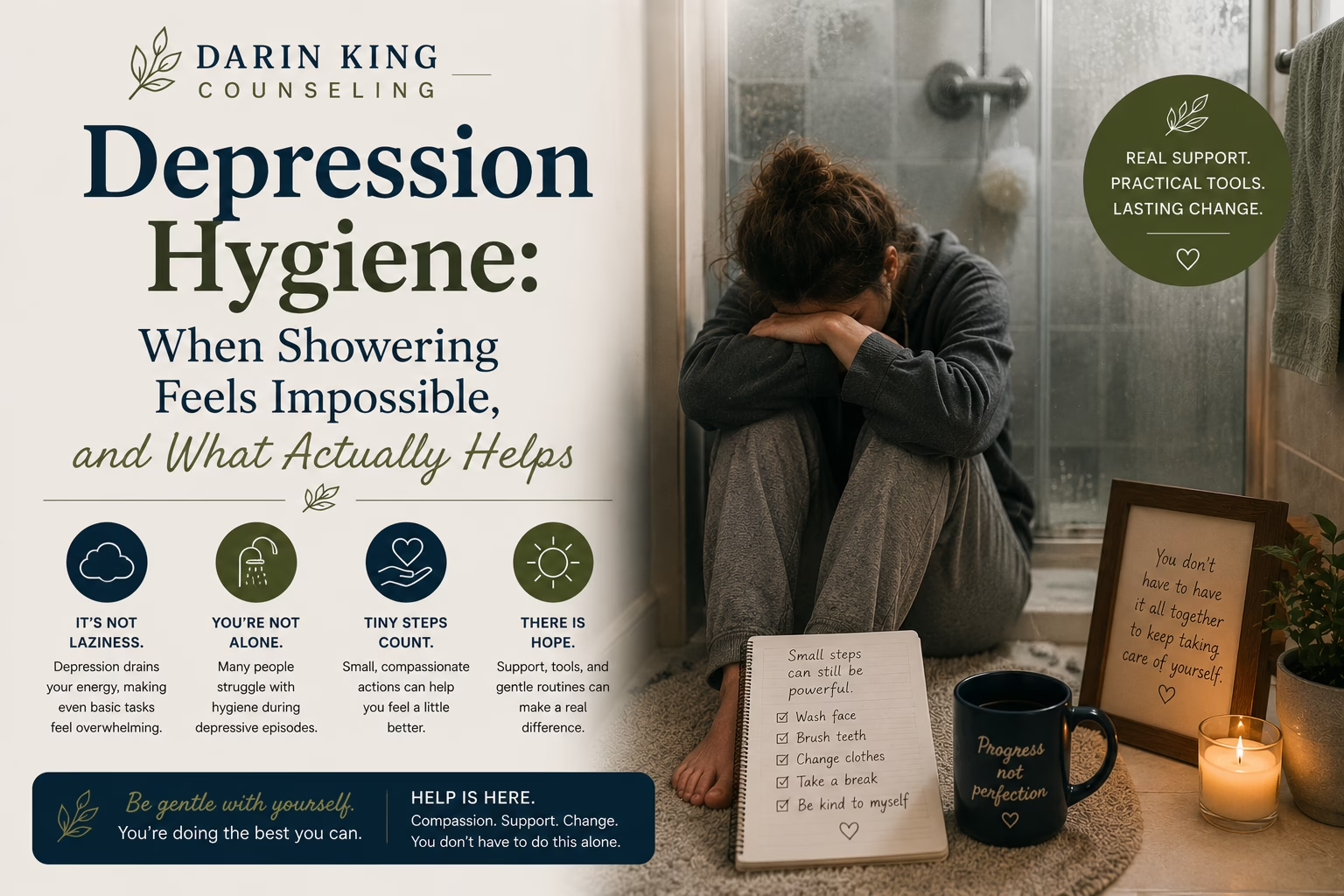
There’s a kind of suffering that depression produces that almost no one talks about — the shame of not having showered in days, of teeth that haven’t been brushed, of hair that’s matted, of dirty clothes worn for too long because changing them feels impossible. Depression and hygiene have a specific relationship, and the relationship isn’t laziness. It’s neurological.
If you’ve been searching for “depression hygiene” because you can’t figure out why brushing your teeth has become an act of monumental effort, this article is for you. We’re going to explain what’s actually happening, why it isn’t a character flaw, and what real-world strategies people use to maintain some baseline of self-care while they’re also doing the work of recovering.
Why Depression Makes Hygiene So Hard
Depression isn’t just sadness. It’s a clinical condition that disrupts the brain’s motivation, reward, and energy systems in ways that make basic tasks feel disproportionately difficult. The specific mechanisms include:
Anhedonia and the Reward System
Anhedonia is the reduced capacity to experience pleasure or anticipated reward. For most people, the prospect of feeling clean after a shower, or the satisfaction of teeth that feel fresh, provides motivation to do those tasks. Depression dampens that anticipatory reward. Your brain genuinely doesn’t predict that you’ll feel better afterward, so the motivation to start the task is missing.
Executive Function Impairment
Hygiene tasks aren’t actually simple. A shower requires: deciding to do it, finding clothes to put on after, gathering products, regulating water temperature, sequencing the order of washing, getting out, drying, dressing. Depression impairs the executive function networks that handle initiation, planning, and sequencing. Each step that seems trivial when you’re well becomes its own obstacle when you’re depressed.
Fatigue and Energy Depletion
Depression produces physical fatigue that has nothing to do with how active you’ve been. Your body genuinely has less energy available. Tasks that take minutes when you’re well can feel like they require energy you don’t have.
Sensory Sensitivity
Many depressed people experience heightened sensitivity to sensations that wouldn’t bother them otherwise — the sound of running water, the feeling of cold air after stepping out, the sensation of teeth-brushing in the mouth. What seems like a normal experience becomes overwhelming, and the brain avoids it.
Cognitive Distortions
Depression produces specific thinking patterns that work against hygiene: “It doesn’t matter,” “Nothing makes a difference,” “Why bother when I’m just going to feel terrible anyway,” “I deserve to feel disgusting.” These thoughts aren’t accurate descriptions of reality — they’re symptoms of the depression, but they feel true and they erode motivation.
The Hygiene Shame Cycle
What makes depression hygiene particularly cruel is the secondary suffering it produces. The cycle typically runs like this:
- Depression makes hygiene tasks feel impossible
- You don’t shower, brush teeth, change clothes
- You start to feel and smell unclean, which is unpleasant
- Shame about your hygiene compounds the depression
- Shame makes you avoid people, withdraw further, isolate
- Withdrawal deepens the depression
- Hygiene gets even harder
Breaking this cycle starts with understanding that the hygiene difficulty is a symptom, not a moral failure. The shame is the part you can work on directly. The hygiene improves as the depression improves.
Realistic Strategies for Depression Hygiene
The strategies that work for depression hygiene aren’t aspirational ones. They’re modest, specific, and meet you where you actually are. The wellness internet is full of suggestions that assume you have energy and motivation you don’t have. These suggestions are for the version of you that exists right now.
Lower the Bar Dramatically
The all-or-nothing thinking that depression produces says: shower or fail. Replace it with a spectrum. A full shower with shampoo, soap, and a hair wash is one thing. A two-minute body rinse is another. Body wipes are another. Dry shampoo is another. A clean t-shirt is another. None of these are full hygiene, but all of them are not-nothing, and not-nothing is what you’re aiming for. The point isn’t perfect hygiene. The point is small movements that interrupt the shame cycle.
Reduce Decisions
Decision fatigue is part of depression. The fewer choices required, the more likely a task gets done. Some examples:
- Set out tomorrow’s clothes tonight (no decision-making at low-energy morning hours)
- Use the same shampoo, soap, and toothpaste — no choosing from multiple products
- Schedule hygiene tasks at consistent times so they require less initiation energy
Stack Hygiene With Something Else
If hygiene is hard to start on its own, attach it to something that’s already happening. Brush teeth while waiting for the coffee to finish brewing. Wash face while the bathwater runs (if a bath feels easier than a shower for you). Change clothes when getting in or out of bed, not as a separate task.
Use Body Wipes, Dry Shampoo, and Wet Wipes
There’s no rule that says hygiene only counts if it involves a full shower. On days when getting in water feels impossible, body wipes are real hygiene. Dry shampoo is real hair care. Wet wipes are real face care. Use them. Don’t apologize for using them. The wellness ideal can wait until you have more energy.
Bath Instead of Shower
For some depressed people, baths feel dramatically easier than showers because you can lie down. If standing under water is too much, sitting in water might not be. Counterintuitive, but it works for many people.
Brushing Teeth in Bed
Yes, really. A glass of water and a toothbrush by the bed, brush sitting up, spit into the cup. Not ideal dental hygiene, but vastly better than not brushing for a week. The dentist will understand if you explain.
Set a Single Daily Anchor
Pick one hygiene task per day as your anchor. Just one. Don’t try to do all of them. If teeth-brushing is your anchor and you brush your teeth, you’ve succeeded that day. Hygiene-wise. Some days you’ll do more. Some days you’ll only do the anchor. Both are wins when you’re depressed.
Outsource Where Possible
If you have access to it: hire help, ask family, drop off laundry. Depression makes everything harder; reducing the load where you can is reasonable, not lazy. Mental health resources sometimes include household support for severe depression — worth asking about.
These strategies are not a treatment for depression. They’re harm reduction for the hygiene-specific problem while you address the underlying depression with appropriate care. Lowering the hygiene bar doesn’t fix depression; treating depression fixes the hygiene problem. Do both.
When Depression Hygiene Is a Sign You Need More Help
Difficulty with basic self-care is a clinical sign of depression that warrants treatment. Some specific patterns indicate the depression has become severe enough that professional support is important:
- You haven’t showered in more than a week
- You can’t bring yourself to leave the house
- You’re not eating or eating very little
- You’re sleeping more than 12 hours a day or unable to sleep at all
- The thought of any task feels impossible
- You’re having thoughts of suicide or self-harm
- This has lasted more than two weeks
- People around you have expressed concern
These signs don’t mean you’re broken. They mean the depression has reached a level where it’s actively impairing your functioning and professional support is appropriate. Therapy, medication evaluation, or both can produce meaningful changes within weeks.
If you’re experiencing thoughts of suicide or self-harm, please reach out for crisis support. In the United States, you can call or text 988 to reach the Suicide and Crisis Lifeline. You don’t have to navigate this alone.
The Bigger Picture: Treating the Depression, Not Just the Hygiene
Depression hygiene strategies are useful for reducing daily suffering. They’re not a treatment for depression itself. The hygiene problem resolves when the depression resolves — when motivation comes back, when anticipatory reward returns, when energy is available again.
Effective depression treatment typically involves some combination of:
Psychotherapy. Approaches with strong evidence include cognitive-behavioral therapy, interpersonal therapy, behavioral activation, and acceptance and commitment therapy. For depression rooted in unresolved trauma or family-of-origin issues, trauma-informed approaches like EMDR or Internal Family Systems can be transformative. See our work on how family trauma shows up in adult life for one common contributor.
Medication. Antidepressants don’t work for everyone, but for many people they produce significant improvement, especially when combined with therapy. A psychiatric medication evaluation can clarify whether this fits your situation.
Lifestyle factors. Sleep, light exposure, movement, and nutrition all affect depression. They’re not cures and shouldn’t be presented as such, but they’re contributors that often need attention alongside other treatment.
Nervous system regulation. Many depressions involve a stuck nervous system state — what’s sometimes called dorsal vagal shutdown or functional freeze. Working with the nervous system directly can complement traditional approaches.
Treating contributing conditions. Depression often coexists with anxiety, ADHD, trauma, or medical issues. Addressing the full picture matters.
Frequently Asked Questions
Why does depression make hygiene so hard?
Depression disrupts the brain’s motivation, reward, and energy systems through multiple mechanisms: anhedonia (reduced anticipated reward), executive function impairment (difficulty initiating and sequencing tasks), physical fatigue, sensory sensitivity, and cognitive distortions like “it doesn’t matter.” Hygiene tasks that seem trivial when you’re well become disproportionately difficult when these systems are impaired. It’s neurological, not a character flaw.
Is depression hygiene a real symptom, or am I just being lazy?
Difficulty with self-care including hygiene is a recognized clinical symptom of depression, not laziness. It’s specifically listed in diagnostic criteria as “loss of interest or pleasure” combined with “fatigue or loss of energy.” If you’re managing this with everything else depression brings, you’re not lazy — you’re depressed. The two require very different responses.
What can I do when I literally cannot shower?
Lower the bar significantly. Body wipes, dry shampoo, wet wipes for face, a change of clothes, brushing teeth in bed — all of these count as hygiene when a full shower feels impossible. The goal isn’t perfect hygiene; it’s small actions that interrupt the shame cycle and maintain some baseline. A bath instead of a shower works better for some people because you can lie down.
How long does depression hygiene last?
Hygiene difficulty improves as depression itself improves. With effective treatment — therapy, medication when appropriate, or combinations — most people notice meaningful changes in motivation and energy within 4 to 8 weeks. Hygiene capacity typically returns alongside other recovery markers. Without treatment, depression can persist for months or years and hygiene difficulty with it.
Should I see a therapist about depression hygiene?
If hygiene difficulty has lasted more than two weeks, or if you’re noticing other depression symptoms alongside it (low mood, hopelessness, withdrawal, sleep changes, suicidal thoughts), yes — a therapist can help. Depression hygiene is usually a sign that the underlying depression has reached a level where professional support produces meaningful improvement. You don’t have to wait until things are worse to seek help.
Does insurance cover depression counseling?
Yes. Treatment for depression, major depressive disorder, and related conditions is covered under behavioral health benefits with most major insurance plans. We accept Highmark, UPMC, Aetna, United Healthcare/Optum, and Cigna/Evernorth. Self-pay sessions are $150. Sliding scale options are available for those who qualify.
The hygiene struggles aren’t a moral failing. They’re a symptom — and symptoms respond to treatment.
Darin King, LPC works with depression and the executive function struggles that come with it. Telehealth statewide across Pennsylvania.
See more from Darin King Counseling on Google